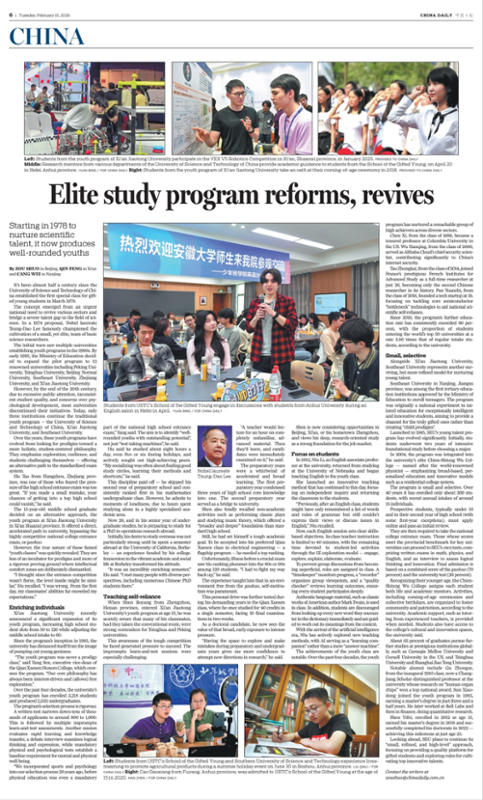
Students from the youth program of Xi'an Jiaotong University participate in the VEX V5 Robotics Competition in Xi'an, Shaanxi province, in January 2025. [Photo provided to China Daily]
It's been almost half a century since the University of Science and Technology of China established the first special class for gifted young students in March 1978.
The concept emerged from an urgent national need to revive various sectors and bridge a severe talent gap in the field of science. In a 1974 proposal, Nobel laureate Tsung-Dao Lee famously championed the cultivation of a small, yet elite, team of basic science researchers.
The initial wave saw multiple universities establishing youth programs in the 1980s. By early 1985, the Ministry of Education decided to expand the pilot program to 12 renowned universities including Peking University, Tsinghua University, Beijing Normal University, Southeast University, Zhejiang University, and Xi'an Jiaotong University.
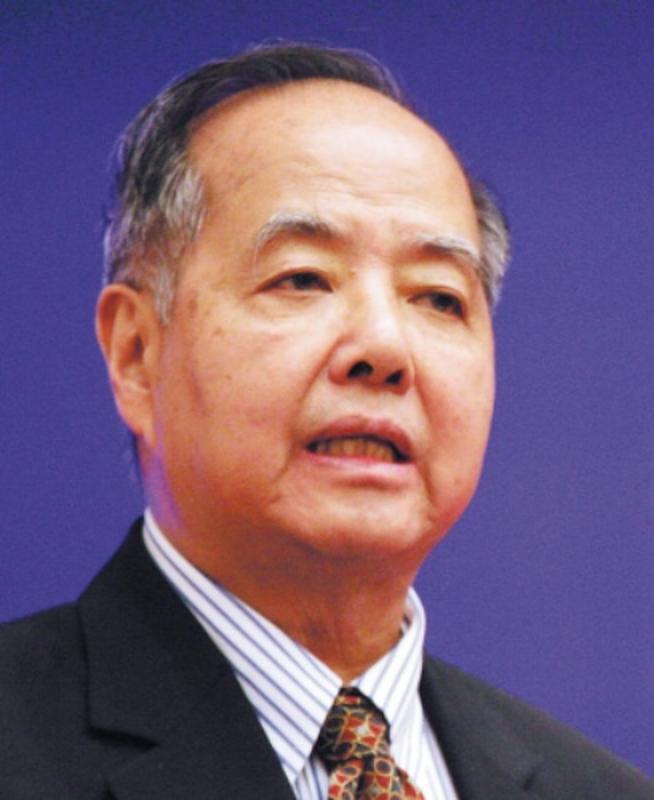 Nobel laureate Tsung-Dao Lee
However, by the end of the 20th century, due to excessive public attention, inconsistent student quality, and concerns over psychological development, most universities discontinued their initiatives. Today, only three institutions continue the traditional youth program — the University of Science and Technology of China, Xi'an Jiaotong University, and Southeast University.
Over the years, these youth programs have evolved from looking for prodigies toward a more holistic, student-centered philosophy. They emphasize exploration, resilience, and students challenging themselves — offering an alternative path to the standardized exam system.
Hu Tao from Hangzhou, Zhejiang province, was one of those who feared the pressure of the high school entrance exam was too great. "If you made a small mistake, your chances of getting into a top high school could vanish," he said.
The 15-year-old middle school graduate decided on an alternative approach, the youth program at Xi'an Jiaotong University in Xi'an Shaanxi province. It offered a direct, accelerated path to university, bypassing the highly competitive national college entrance exam, or gaokao.
However, the true nature of these famed "youth classes" was quickly revealed. They are less of an incubator for prodigies and more of a rigorous proving ground where intellectual comfort zones are deliberately dismantled.
"I thought since the entrance competition wasn't fierce, the level inside might be similar," Hu recalled. "I was wrong. From the first day, my classmates' abilities far exceeded my expectations."
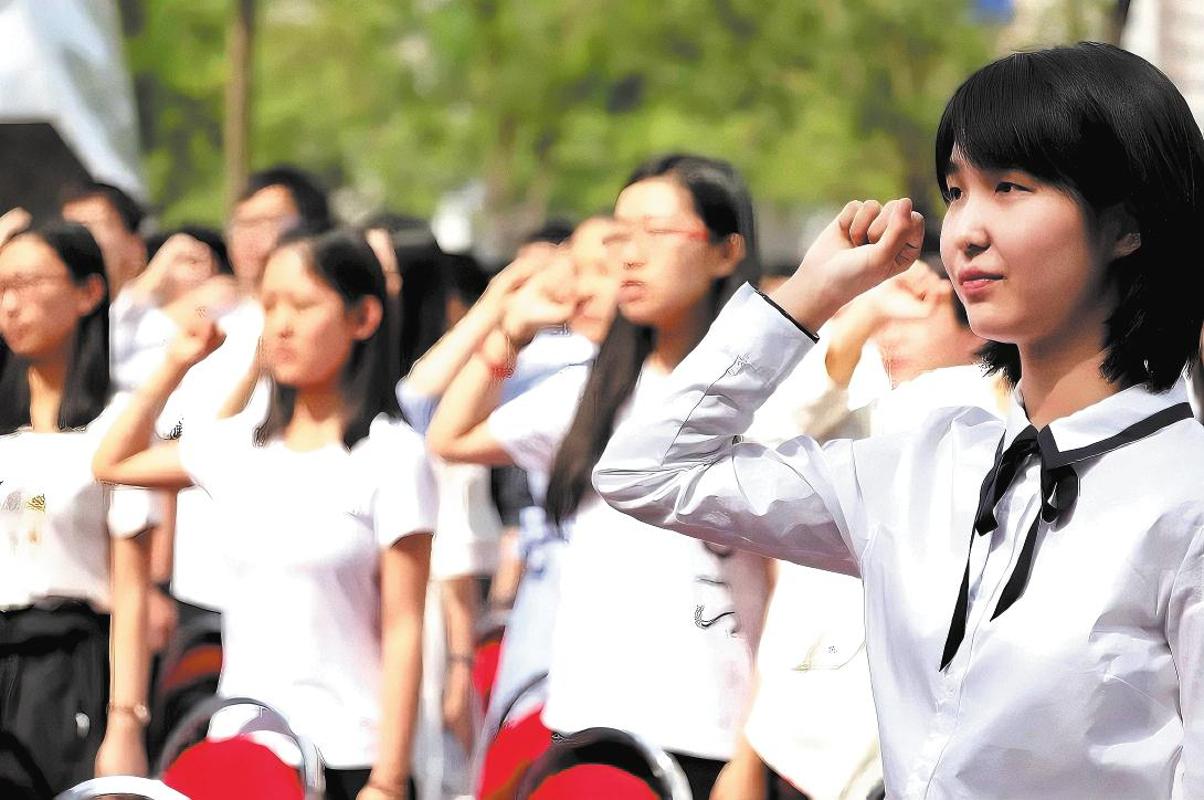
Students from the youth program of Xi'an Jiaotong University take an oath at their coming-of-age ceremony in 2018. [Photo provided to CHINA DAILY]
Enriching individuals
Xi'an Jiaotong University recently announced a significant expansion of its youth program, increasing high school student slots from 50 to 120 while adjusting the middle school intake to 60.
Since the program's inception in 1985, the university has distanced itself from the image of pumping out young geniuses.
"The youth program was never a prodigy class," said Yang Sen, executive vice-dean of the Qian Xuesen Honors College, which oversees the program. "Our core philosophy has always been interest-driven and (allows) free exploration."
Over the past four decades, the university's youth program has enrolled 3,218 students and produced 2,035 undergraduates.
The program's selection process is rigorous.
A written test narrows down tens of thousands of applicants to around 800 to 1,000. This is followed by multiple impromptu learn-and-test assessments. Another session evaluates rapid learning and knowledge transfer, a debate interview examines logical thinking and expression, while mandatory physical and psychological tests establish a baseline requirement for mental and physical well-being.
"We incorporated sports and psychology into our selection process 20 years ago, before physical education was even a mandatory part of the national high school entrance exam," Yang said. The aim is to identify "well-rounded youths with outstanding potential", not just "test-taking machines", he said.
Hu said he studied about eight hours a day, even five or six during holidays, and actively sought out high-achieving peers. "My socializing was often about finding good study circles, learning their methods and shortcuts," he said.
This discipline paid off — he skipped his second year of preparatory school and consistently ranked first in his mathematics undergraduate class. However, he admits to moments of loneliness, due to hours spent studying alone in a highly specialized academic area.
Now 20, and in his senior year of undergraduate studies, he is preparing to study for a PhD in operations research abroad.
Initially, his desire to study overseas was not particularly strong until he spent a semester abroad at the University of California, Berkeley — an experience funded by his college. Immersion in the vibrant academic and social life at Berkeley transformed his attitude.
"It was an incredibly enriching semester," Hu said. "I met many people with diverse perspectives, including numerous Chinese PhD students there."
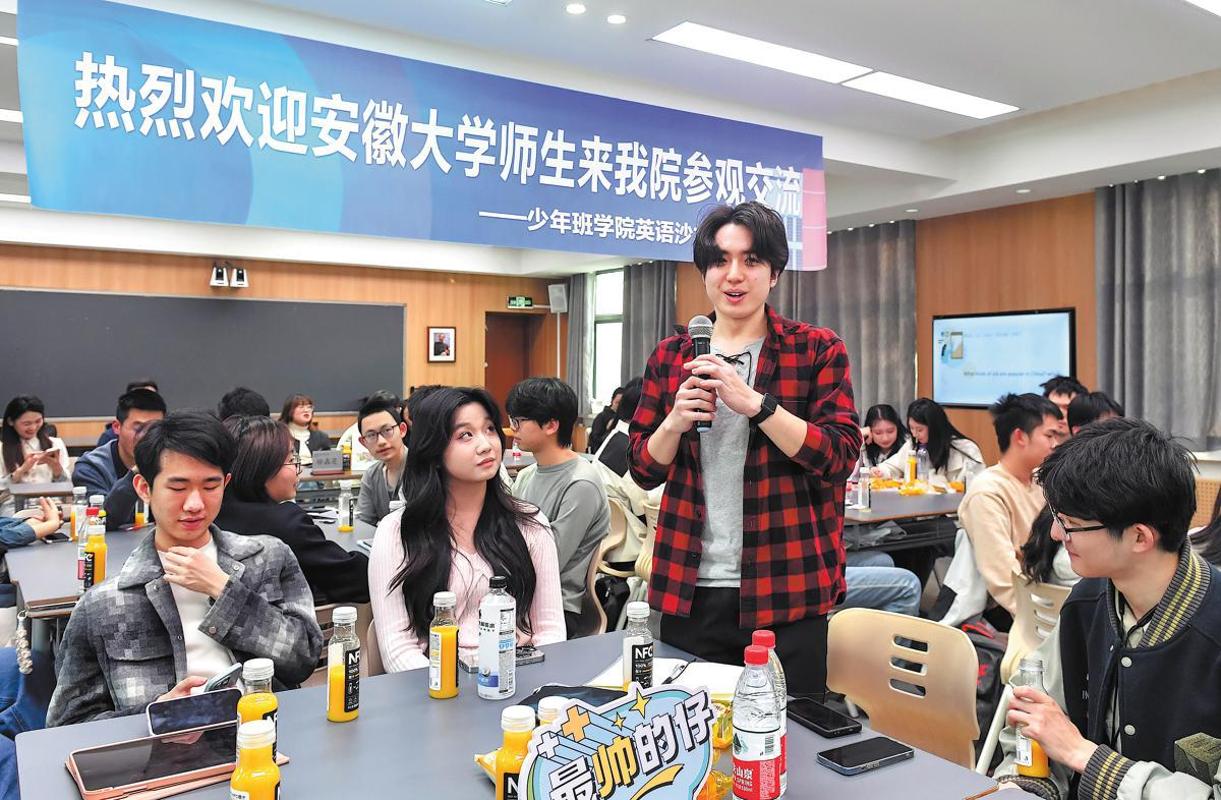
Students from USTC's School of the Gifted Young engage in discussions with students from Anhui University during an English salon in Hefei in April. YUAN BING/FOR CHINA DAILY
Teaching self-reliance
When Shen Boyang from Zhengzhou, Henan province, entered Xi'an Jiaotong University's youth program at age 15, he was acutely aware that many of his classmates, had they taken the conventional route, were strong contenders for Tsinghua and Peking universities.
This awareness of the tough competition he faced generated pressure to succeed. The impromptu learn-and-test sessions were especially challenging.
"A teacher would lecture for an hour on completely unfamiliar, advanced material. Then they'd leave, and candidates were immediately examined on it," he said.
The preparatory years were a whirlwind of accelerated and broad learning. The first preparatory year condensed three years of high school core knowledge into one. The second preparatory year served as a bridge to university.
Shen also fondly recalled non-academic activities such as performing classic plays and studying music theory, which offered a "broader and deeper" foundation than standard high school.
Still, he had set himself a tough academic goal. To be accepted into his preferred Qian Xuesen class in electrical engineering — a flagship program — he needed a top ranking.
Unfortunately, illness before a crucial exam saw his ranking plummet into the 80s or 90s among 120 students. "I had to fight my way back up," he said.
The experience taught him that in an environment free from the gaokao, self-motivation was paramount.
This personal drive was further tested during his demanding years in the Qian Xuesen class, where he once studied for 40 credits in a single semester, facing 10 final examinations in two weeks.
As a doctoral candidate, he now sees the value of that broad, early exposure to intense pressure.
"Having the space to explore and make mistakes during preparatory and undergraduate years gives me more confidence to attempt new directions in research," he said.
Shen is now considering opportunities in Beijing, Xi'an, or his hometown Zhengzhou, and views his deep, research-oriented study as a strong foundation for the job market.
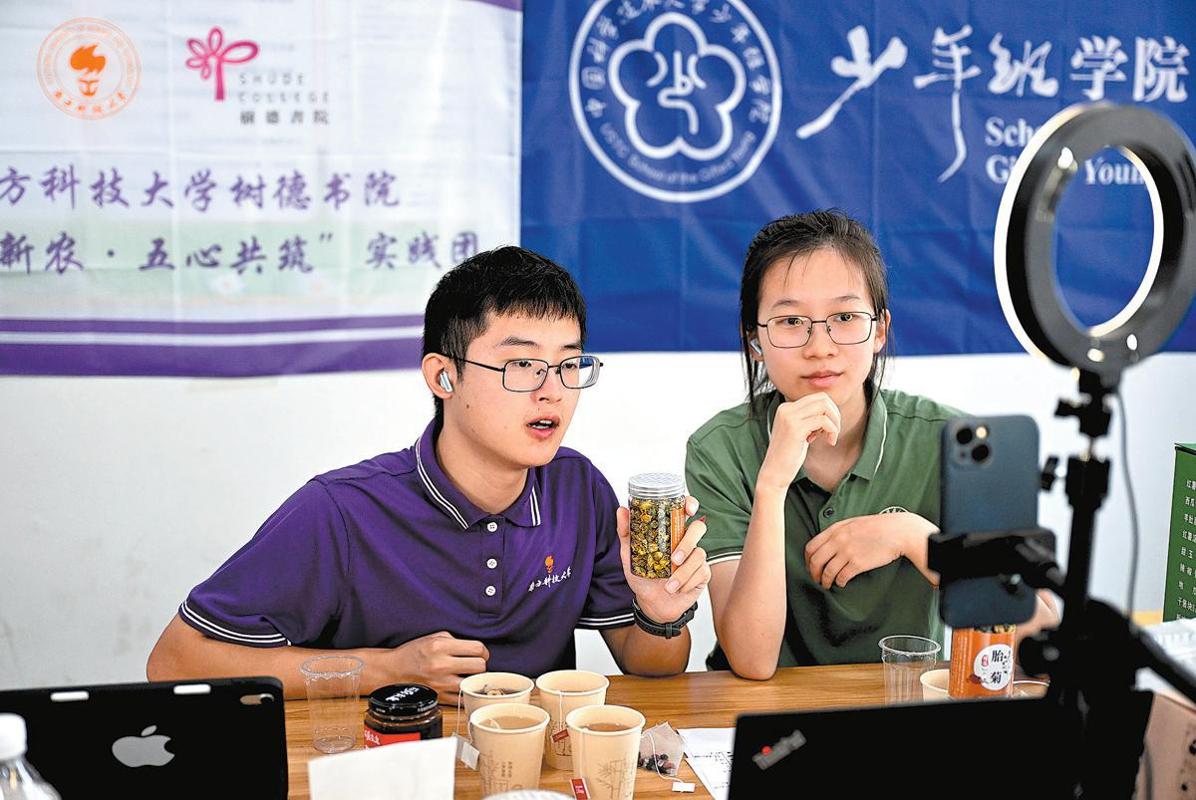
Students from USTC's School of the Gifted Young and Southern University of Science and Technology experience livestreaming to promote agricultural products during a summer holiday event on June 30 in Bozhou, Anhui province. LIU QINLI/FOR CHINA DAILY
Focus on students
In 2012, Niu Li, an English associate professor at the university, returned from studying at the University of Nebraska and began teaching English to the youth class.
She launched an innovative teaching method that has continued to this day, focusing on independent inquiry and returning the classroom to the students.
"Previously, after an English class, students might have only remembered a list of words and rules of grammar but still couldn't express their views or discuss issues in English," Niu recalled.
Now, each English session sets clear skills-based objectives. In-class teacher instruction is limited to 40 minutes, with the remaining time devoted to student-led activities through the 5E exploration model — engage, explore, explain, elaborate, evaluate.
To prevent group discussions from becoming superficial, roles are assigned in class. A "timekeeper" monitors progress, a "recorder" organizes group viewpoints, and a "quality checker" reviews learning outcomes, ensuring every student participates deeply.
Authentic language material, such as classic works of American author Mark Twain, is used in class. In addition, students are discouraged from looking up every new word they encounter in the dictionary immediately and are guided to work out its meanings from the context.
With the arrival of the artificial intelligence era, Niu has actively explored new teaching methods, with AI serving as a "learning companion" rather than a mere "answer machine".
The achievements of the youth class are notable. Over the past four decades, the youth program has nurtured a remarkable group of high achievers across diverse sectors.
Chen Xi, from the class of 1989, became a tenured professor at Columbia University in the US. Wu Hanqing, from the class of 2000, served as Alibaba Cloud's chief security scientist, contributing significantly to China's internet security.
Tao Zhongkai, from the class of 2014, joined France's prestigious French Institutes for Advanced Study as a full-time researcher at just 26, becoming only the second Chinese researcher in its history. Pan Yuanzhi, from the class of 2016, founded a tech startup at 19, focusing on tackling core semiconductor "bottleneck" technologies to aid national scientific self-reliance.
Since 2010, the program's further education rate has consistently exceeded 80 percent, with the proportion of students entering the world's top 50 universities at a rate 3.86 times that of regular intake students, according to the university.
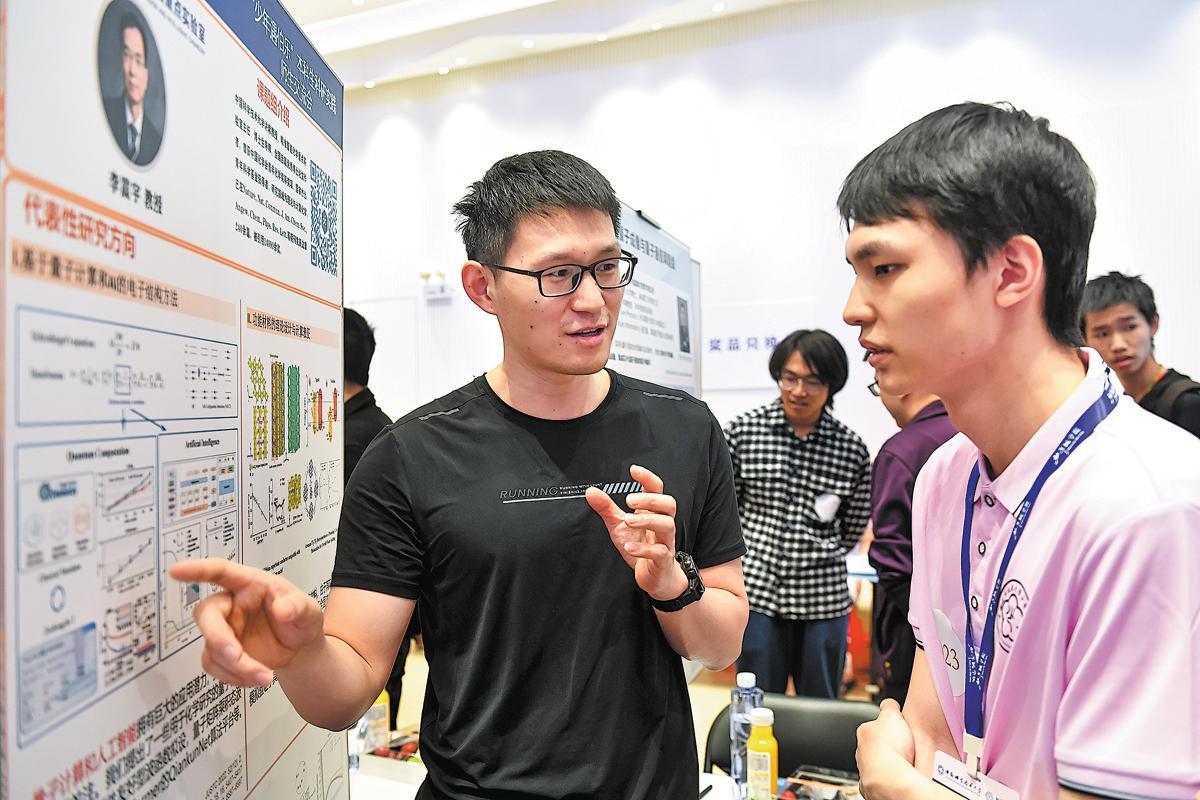
Research mentors from various departments of the University of Science and Technology of China provide academic guidance to students from the School of the Gifted Young, on April 20 in Hefei, Anhui province. YUAN BING/FOR CHINA DAILY
Small, selective
Alongside Xi'an Jiaotong University, Southeast University represents another surviving, but more refined model for nurturing young talent.
Southeast University in Nanjing, Jiangsu province, was among the first tertiary education institutions approved by the Ministry of Education to enroll teenagers. The program was originally a national experiment in tailored education for exceptionally intelligent and innovative students, aiming to provide a channel for the truly gifted ones rather than creating "child prodigies".
Launched in 1985, SEU's young talent program has evolved significantly. Initially, students underwent two years of intensive foundational study before choosing a major.
In 2004, the program was integrated into the university's elite Chien-Shiung Wu College — named after the world-renowned physicist — emphasizing broad-based, personalized education and innovative models such as a residential college system.
The program is small and selective. Over 40 years it has enrolled only about 300 students, with recent annual intakes of around 15 individuals.
Prospective students, typically under 16 and in their second year of high school (with some first-year exceptions), must apply online and pass an initial review.
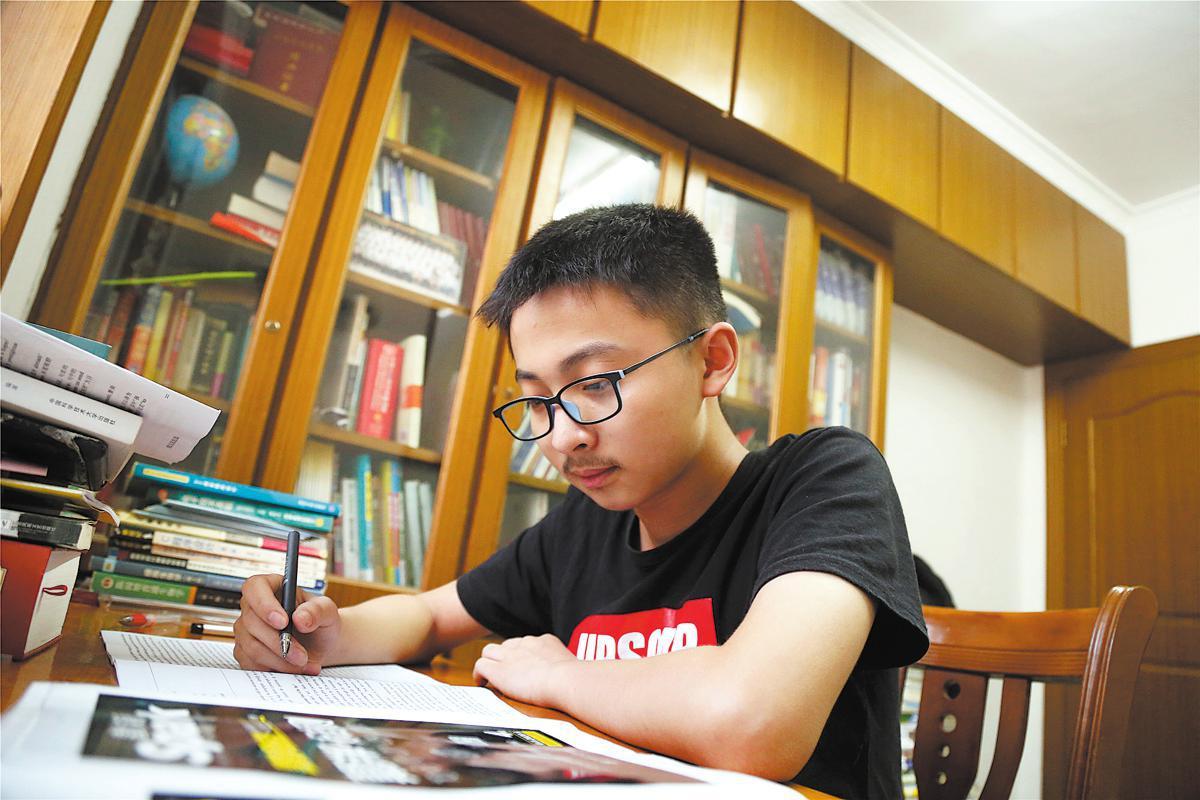
Cao Gaoxiang from Fuyang, Anhui province, was admitted to USTC's School of the Gifted Young at the age of 15 in 2020. HAN ZHEN/FOR CHINA DAILY
They are then required to take the national college entrance exam. Those whose scores meet the provincial benchmark for key universities can proceed to SEU's own tests, comprising written exams in math, physics, and English, and an interview to assess logical thinking and innovation. Final admission is based on a combined score of the gaokao (70 percent) and the university test (30 percent).
Recognizing their younger age, the Chien-Shiung Wu College assigns each student both life and academic mentors. Activities, including coming-of-age ceremonies and collective birthdays, are organized to foster community and patriotism, according to the university. Academic support, such as tutoring from experienced teachers, is provided when needed. Students also have access to the college's cultural and innovation spaces, the university said.
About 65 percent of graduates pursue further studies at prestigious institutions globally, such as Carnegie Mellon University and Cornell University in the US, and Tsinghua University and Shanghai Jiao Tong University.
Notable alumni include Gu Zhongze, from the inaugural 1985 class, now a Changjiang Scholar distinguished professor at the university whose research on "human organ chips" won a top national award. Sun Xiaodong joined the youth program in 1985, earning a master's degree in just three and a half years. He later worked at Bell Labs and then in finance, doing quantitative research.
Shen Yifei, enrolled in 2012 at age 15, earned his master's degree in 2018 and successfully completed his doctorate in 2022 -achieving this milestone at just age 25.
Looking ahead, SEU plans to continue its "small, refined, and high-level" approach, focusing on providing a quality platform for gifted students and exploring rules for cultivating top innovative talents.
原文刊登于2026年2月10日《中国日报》06版
报道链接:https://enapp.chinadaily.com.cn/a/202602/10/AP698a831ea310d93d63cc3982.html